Energy is becoming increasingly expensive in the Netherlands. Not only for citizens, but also for companies this is a growing problem. Can SAP Business One help your company save energy? The answer is: yes!
SAP Business One can help companies save energy, albeit indirectly. Of course, an ERP system is not directly designed for energy management. Still, the system can provide several ways in which companies can optimize their energy consumption:
- Business process optimization: By streamlining and optimizing business processes using SAP Business One, companies can improve efficiency and reduce unnecessary energy consumption.
- Efficient inventory management: Effective inventory management allows companies to optimize their inventory levels, which helps reduce waste and unnecessary energy consumption, both in the storage and transportation of goods.
- Insight through data analytics: SAP Business One provides powerful reporting and analysis capabilities. Companies can use these to analyze data related to their operational processes and resource consumption, giving them insight into where there are opportunities to save energy.
- Integration with IoT (Internet of Things): SAP Business One can be integrated with IoT devices and sensors. This enables companies to collect real-time data on energy consumption and other environmental performance, which can lead to proactive decision-making to save energy.
- Sustainability tracking: Some organizations even use SAP Business One specifically also to track data related to sustainability and environmental performance. This can help identify areas where improvements are needed to increase energy efficiency.
Do you want to take big steps in energy saving? Then there are so-called Energy Management Systems (EMS): software programs specially designed to get a grip on your energy consumption. Logres Business Solutions can help you link these programs to your ERP system.
Saving energy for producers:
Linking an EMS with SAP Business One can help manufacturers manage their energy consumption in several ways, such as monitoring energy-intensive processes, identifying inefficiencies in production equipment and optimizing the use of energy resources. This can lead to cost savings and improved sustainability.
Saving energy for wholesalers:
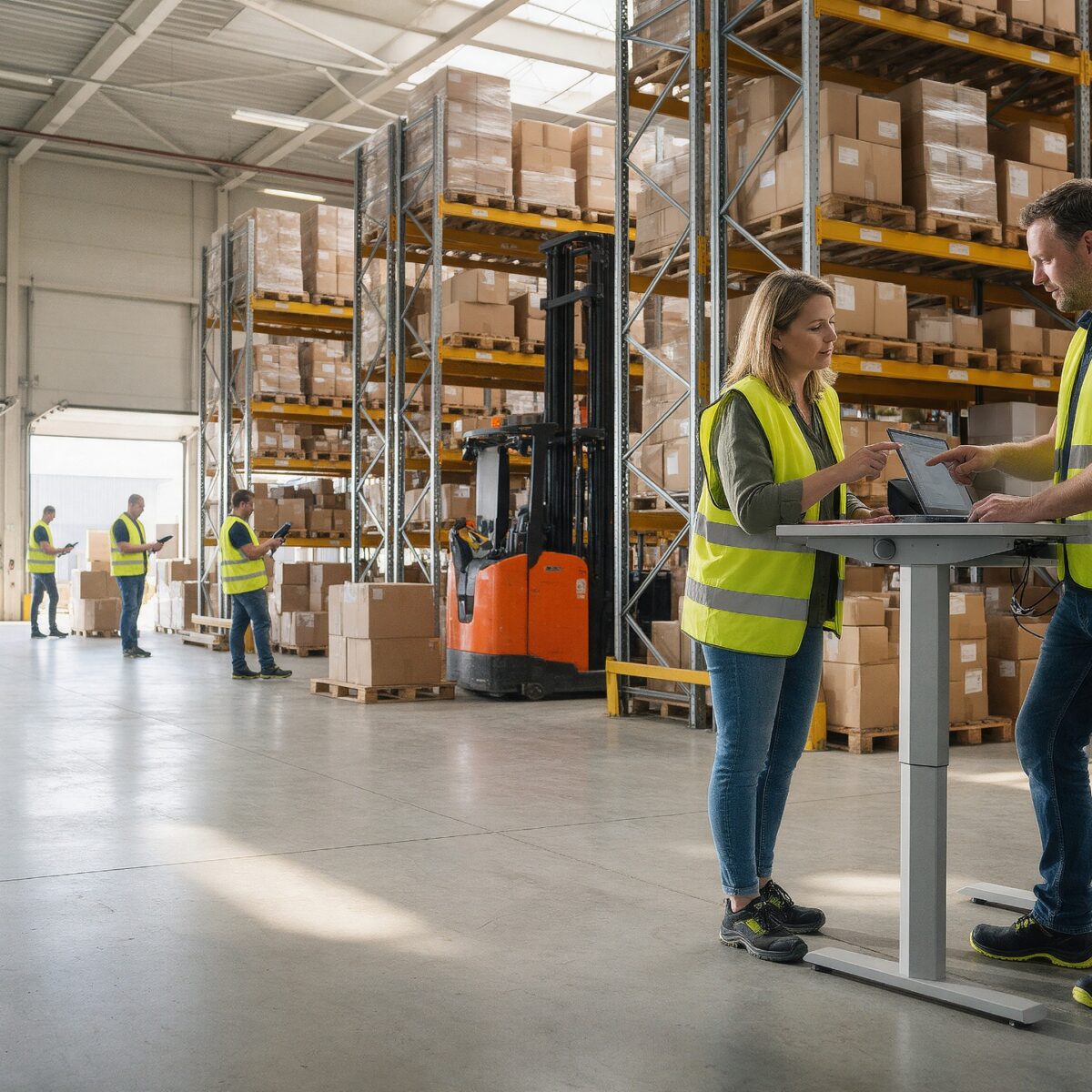
Wholesalers can use EMS systems to track and manage their energy use in warehouses, distribution centers and office facilities. This can help identify areas where energy can be saved, such as improving lighting, heating, cooling and ventilation.
Meet legal regulations and certification requirements
For both manufacturers and wholesalers, tracking energy data and generating reports using EMS or ERP software can help meet regulatory requirements for energy reporting and compliance or meet specific requirements associated with certain certifications.